

In a world increasingly dominated by curated images and polished personas, the Sad Girl DP offers a poignant counter-narrative. This unique form of self-expression encapsulates moments of vulnerability, introspection, and emotional depth. The sad girl aesthetic embraces melancholy not as a weakness but as a profound aspect of human experience. It draws attention to the beauty found in sorrow, inviting viewers to connect with the raw authenticity that often goes unnoticed in our daily lives.
The Sad Girl DP transcends mere imagery; it speaks to a generation grappling with complex emotions in a fast-paced digital landscape. These pictures, often characterized by their muted tones and contemplative expressions, allow individuals to reflect on their feelings and share them with the world. By embracing this aesthetic, many find solace and companionship in shared experiences of heartache, longing, and the quest for understanding. This movement highlights the importance of acknowledging our darker moments, promoting the idea that sadness can be an integral part of the journey toward self-acceptance and personal growth.
Understanding the Sad Girl Aesthetic
The Sad Girl aesthetic embodies a complex emotional landscape that resonates deeply with many individuals. It reflects a sense of vulnerability and introspection, often showcasing the softer, more melancholic side of femininity. Girl Dp is characterized by muted colors, reflective imagery, and an interplay of sadness and beauty that captures the essence of a profound emotional experience. Through the lens of this aesthetic, the Sad Girl becomes a figure of both strength and fragility, inviting viewers to connect with their own feelings of sorrow and longing.

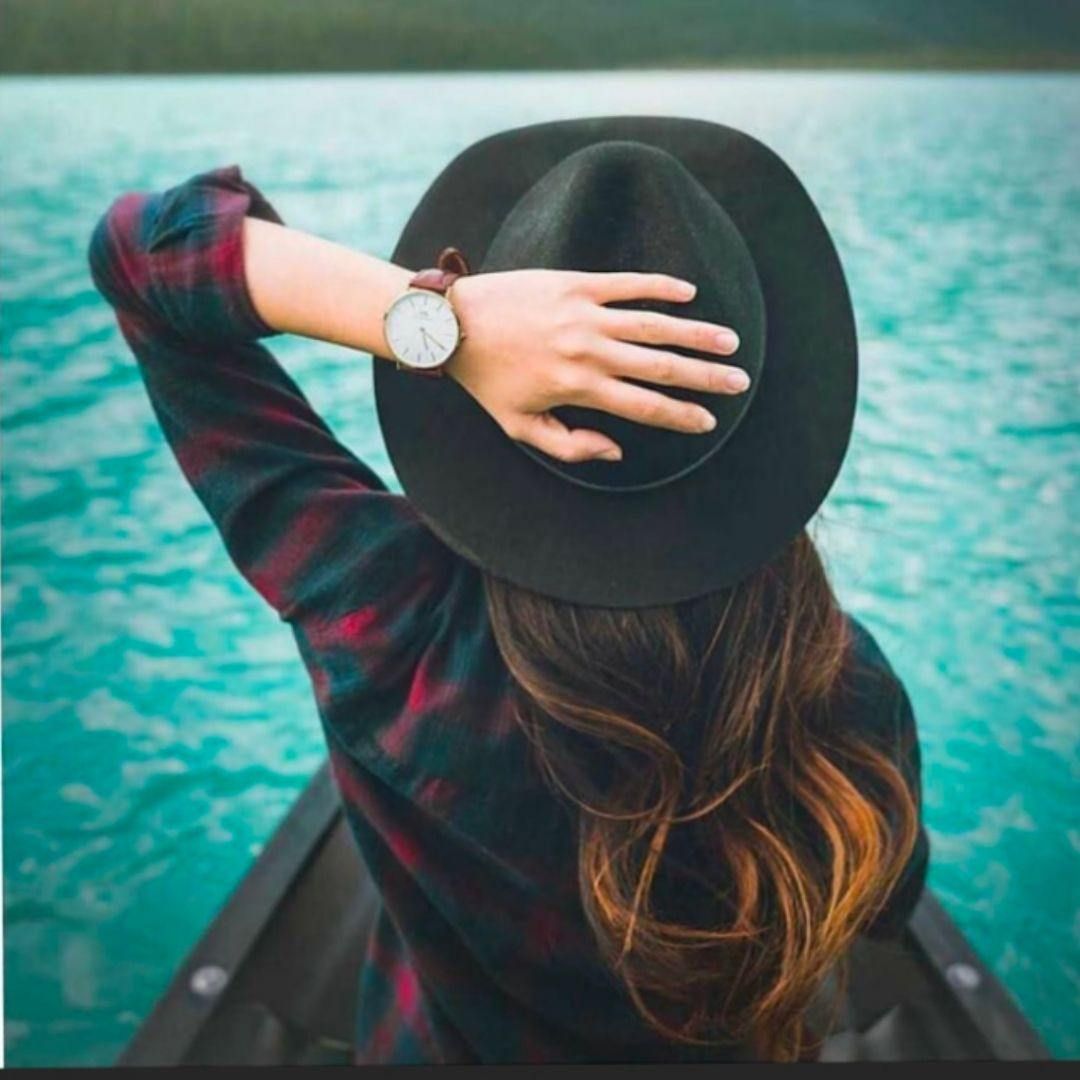
At the core of the Sad Girl aesthetic is the exploration of themes such as heartache, loneliness, and self-discovery. The visual representation often includes elements like vintage clothing, melancholic landscapes, and intimate settings that evoke a sense of nostalgia. These components come together to create a narrative that is both personal and universal, allowing individuals to find solace in shared experiences. This connection to collective emotions allows the Sad Girl to transcend mere appearance, transforming into an emblem of resilience amidst despair.
Social media platforms have played a significant role in popularizing the Sad Girl aesthetic, enabling individuals to express their emotions and aesthetic preferences in ways that resonate with a wider audience. The use of the Sad Girl DP, or display picture, allows users to embody this persona visually, sharing their inner feelings with the world. Whether through art, photography, or curated content, the Sad Girl aesthetic encourages a conversation about mental health, emotional vulnerability, and the beauty found in sadness, ultimately fostering a community that embraces these complexities.
Cultural Impact and Representation
The Sad Girl DP phenomenon has garnered significant attention in recent years, resonating particularly with young individuals navigating the complexities of modern life. This aesthetic, characterized by its portrayal of vulnerability, introspection, and emotional depth, fosters a sense of connection among those who identify with it. https://www.girldp.in/category/stylish-dp-for-girls , especially Instagram and Tumblr, have facilitated the spread of this visual language, allowing people to curate their digital personas through artful expressions of sadness. The reliance on melancholic imagery serves not only as a form of self-expression but also as a way to find solidarity in shared experiences of heartbreak, existential dread, and emotional turmoil.
In many ways, the Sad Girl DP stands as a counter-narrative to the prevalent ideals of happiness and perfection often showcased in digital culture. By embracing sadness and vulnerability, this aesthetic challenges societal expectations that prioritize constant positivity. It allows individuals to confront and acknowledge their emotional struggles instead of masking them behind a facade. This representation of sadness carries an important cultural message about the acceptance of mental health narratives, inspiring conversations around mental well-being and the importance of emotional honesty in a world that frequently celebrates superficial happiness.
The portrayal of Sad Girl imagery has also prompted critiques regarding its commercialization and potential glorification of melancholy. While the aesthetic encourages open dialogue about emotions, it raises questions about whether it reinforces stereotypes associated with sadness and reinforces victimhood. Nevertheless, it remains a powerful avenue for artistic expression and authenticity. Through the lens of the Sad Girl DP, many find a means to articulate their feelings, confront their realities, and connect with others, ultimately shaping a cultural landscape that embraces the full spectrum of human emotion.
Creating Your Own Sad Girl DP
To create your own Sad Girl DP, begin by selecting a setting that reflects the emotion you want to capture. Look for https://www.girldp.in/ that evoke feelings of solitude or introspection, such as a quiet room, an empty street, or a serene outdoor spot during twilight. The environment can add depth to your image, enhancing the melancholic atmosphere you aim to convey.
Next, consider your expression and body language. A Sad Girl DP often features subtle, introspective poses that suggest vulnerability. Think about how you can use your gaze, facial expressions, and positioning to communicate emotion. Soft, natural lighting can complement this mood, creating a gentle glow that highlights your features in a way that feels both intimate and poignant.
Finally, don’t forget the power of editing in post-production. Filters that enhance shadows and cool tones can significantly contribute to the melancholy vibe of your DP. Incorporate muted colors and slight grain to give your image a nostalgic feel, while also being mindful of maintaining authenticity. The goal is to produce a reflection of your inner feelings, allowing others to connect with your art on a personal level.